toolivo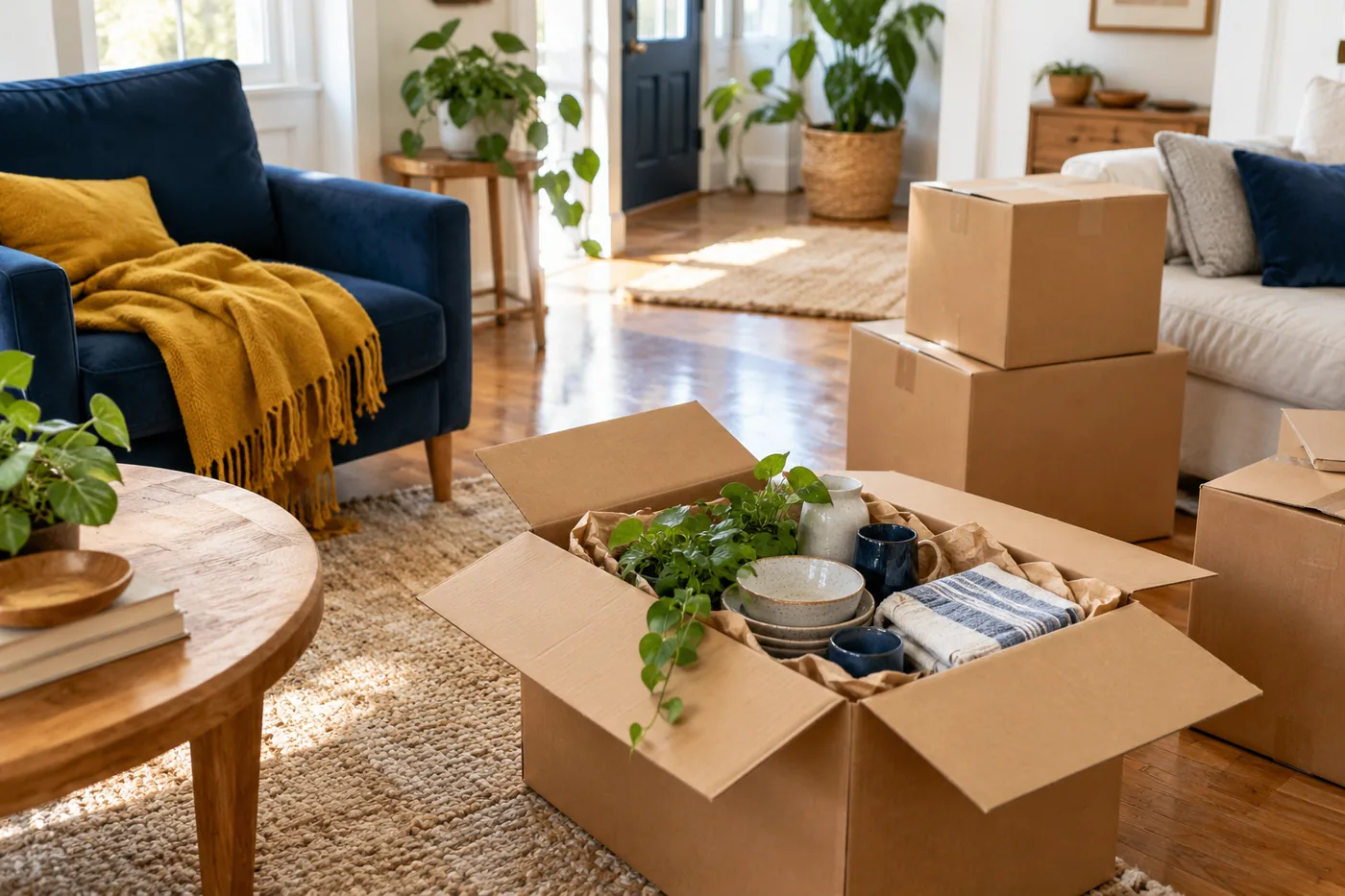
A room-by-room moving plan gives each possession a destination and each stage of the move a manageable boundary. It is particularly useful in a small home, where packed boxes quickly compete with the rooms still in use. The aim is not to finish one room completely before touching another. It is to separate what can leave daily circulation from what must remain available, while keeping every packed group identifiable.
Start with the destination home, even if you know only its basic layout. A box labeled for its future room is easier to direct than one labeled solely for the cupboard it came from. Where the new arrangement is uncertain, use a practical category such as “work materials” rather than guessing. This guide covers planning, sorting, labeling, and unpacking. Follow appropriate professional or manufacturer guidance for transporting items that need specialist handling.
Make a Destination Map Before Packing
Create a short list of the rooms or areas in the new home. Use names that everyone helping can understand. “Bedroom left of bathroom” may be clearer on moving day than a person's nickname for the room. In an open-plan home, name functional areas such as dining, sitting, and desk rather than expecting one broad living-room label to direct everything accurately.
Write the destination names on a simple plan or list and use exactly those words on boxes. If there are several bedrooms, number them consistently and place matching signs at the destination when practical. Color can provide a useful secondary cue, but words should carry the essential information so the system does not depend on remembering a color code.
Assign uncertain possessions to a limited decision category. Too many “miscellaneous” boxes transfer all the planning to unpacking day. If an item has no obvious destination, ask what activity it supports and where that activity will happen. A board game may belong near the dining table rather than with books simply because both previously occupied the same shelf.
Divide Each Room Into Three Packing Stages
Within every room, identify items that can be packed early, items needed until the final days, and items needed immediately after arrival. This creates a sequence without requiring a precise prediction of the entire move. Decorative objects and rarely used books may leave circulation early. Everyday clothing, work equipment, and frequently used kitchen items may remain available longer.
Mark the final-stage items on a list so they are not forgotten when most of a room is empty. A room can appear finished while small possessions remain on hooks, behind doors, or in an overlooked drawer. A written room check is more dependable than assuming that visible surfaces tell the whole story.
An illustrative bedroom plan might pack occasional clothing first, keep a modest current wardrobe accessible, and reserve a clearly identified first-night bedding bundle. The stages should reflect your real timetable and living arrangements. Someone staying temporarily elsewhere will need a different final-stage kit from someone sleeping in the new home immediately.
Sort Before an Item Enters a Box
Packing creates a useful decision point, but it should not become an unlimited decluttering project. Set a boundary for each session, such as one bookcase or one wardrobe section. Decide what will move, what has an established route to someone else, and what needs a specific later decision. Keep the undecided category small enough to revisit before the final packing rush.
Evaluate the destination as well as the object's current usefulness. A storage accessory designed for one cupboard may have no sensible role in the new home. Conversely, a rarely used item may still deserve its place if it supports a clear occasional activity. The question is whether you intend to use or deliberately keep it, not whether you can imagine any possible use.
Do not pack a bag marked for donation merely because its next step was never arranged. Schedule the handoff within the moving plan and follow the receiving organization's current requirements. For items you are discarding, use the applicable local arrangements. Keep these outgoing groups distinct from boxes traveling to the new address.
Create Labels That Help During Unpacking
A useful label includes the destination, a brief description of the contents, and an unpacking priority. For example, “Kitchen | everyday mugs and breakfast bowls | early” is more informative than “kitchen stuff.” Keep descriptions short enough to read quickly, but specific enough to distinguish boxes without opening them.
Give each box a simple number if you want an inventory. Record its destination and contents in one place, such as a notebook or spreadsheet you already know how to use. Do not create an elaborate item-by-item catalog unless particular possessions justify that level of detail. Broad but meaningful groups usually provide enough information to locate ordinary household belongings.
Place readable labels where they remain visible when boxes are grouped. Use consistent wording for priorities, perhaps “arrival,” “early,” and “later.” Avoid marking nearly every box urgent. Priority only helps if it distinguishes the small number of things needed to make the home usable from items that can wait while the main rooms take shape.
Pack the Bedroom Around the First Night
Separate a first-night bedroom group from the main wardrobe packing. Include the bedding and personal items you expect to need for the actual sleeping arrangement. Keep this group easy to identify, and note where it is traveling. A priority label is of little use if the box is buried among many indistinguishable bags.
Pack clothing in categories that can move directly into the new storage. Group garments by person and broad purpose rather than mixing the contents of several drawers into one container. If the new wardrobe differs from the old one, avoid assuming each current drawer will have an exact counterpart. Categories such as work clothing or sleepwear remain useful even when the furniture changes.
Leave a small current-use selection available until departure. Treat it like a short stay kit with enough flexibility for your timetable. This reduces repeated reopening of packed boxes. Keep personal essentials under a clearly assigned person's control, and make a final room check for the items used on the last morning.
Pack the Kitchen in Working Layers
Begin with kitchen items used infrequently, then work toward the everyday group. Make a short list of what needs to remain available during the final days. A reduced temporary setup can keep meals and drinks manageable without requiring the entire kitchen to stay unpacked. Its contents depend on your household's routines and plans.
Group kitchen boxes by function where possible: everyday tableware, preparation tools, drink supplies, or occasional serving pieces. A drawer-by-drawer approach can preserve unhelpful mixtures from the old kitchen. Function-based groups make it easier to choose new locations around how the new room will be used.
Prepare one clearly identified arrival group for the kitchen tasks you expect first. Include only what will actually help on that day. Follow the instructions or specialist advice appropriate to packing individual items; this plan does not replace guidance for fragile or unusual possessions. The organizational goal is a clear sequence, so everyday functions can begin before every occasional item is unpacked.
Handle the Bathroom, Desk, and Shared Living Areas
For bathroom belongings, separate each person's current-use kit from spare and occasional items. Label by person or use when that distinction matters. Avoid combining small possessions from several people into one vague bathroom box if doing so will require a lengthy sorting session at the destination.
For a desk or work area, create a short restart list. Identify the materials needed for the first planned work session and keep related accessories together. Photograph an arrangement if the visual record will help you reconstruct the organization, while keeping personal or sensitive material out of shared moving notes. Follow equipment instructions for disconnection, packing, and setup.
In shared living areas, pack by activity. Reading, games, crafts, and media accessories can each form a recognizable group. An active project may need its own container and a note describing its current state. Do not assume that the new room must reproduce the old layout. Label for the activity first, then choose the final storage once the space is in use.
Reserve a Packing Area Without Losing the Whole Home
Choose a limited place for supplies and a defined place for completed boxes. Keep everyday spaces workable as long as possible. In a small home, this may require shorter packing sessions and more frequent decisions about what can leave active use. Spreading open boxes across several rooms can make normal routines unnecessarily difficult.
At the end of each session, close or clearly mark the box in progress, update its label, and put unused supplies together. A box left open without a contents note may invite unrelated objects to accumulate. If it must remain open, give it a temporary label that names what still belongs inside and what is already packed.
Keep a separate list of tasks that packing reveals, such as identifying an accessory or checking dimensions in the destination. Do not let every discovery interrupt the session. Complete the planned room section, then handle those questions in a separate block. This preserves progress while making unresolved decisions visible.
Unpack for Function Before Fine Organization
Use your priorities to establish the first essential activities: sleeping, changing clothes, using the bathroom, and carrying out the household's immediate kitchen tasks. The exact order depends on arrival time and circumstances. Open the boxes that support those uses before decorative or occasional categories, even if the latter are easier to unpack.
Place items approximately where their activities will happen, then live with the arrangement briefly before buying new storage. The first obvious cupboard is not always the most convenient one. Temporary labels can help household members find things while locations are being tested. Fine sorting becomes easier once the room's movement and daily routines are apparent.
Finish one manageable category at a time. An emptied box represents useful progress only if its contents have a known temporary or final home. Moving everything onto counters can exchange labeled uncertainty for unlabeled piles. If a category cannot yet be placed, keep it contained and labeled until the relevant furniture or decision is ready.
Close Each Room With a Final Checklist
A room's final check happens after its remaining daily-use items have been gathered. Work through the room in a consistent direction and look at each storage location, surface, hook, and open container. Check the places that are easy to overlook because they held only one or two items. Use the room list to confirm that its final-stage group has joined the correct luggage or boxes.
Mark incomplete tasks explicitly. If a work device remains in use until departure, write its name beside the room rather than marking the room fully packed. Assign one person to confirm that final group. Shared assumptions are particularly easy to make when several people have packed different sections of the same space.
At the destination, use a similar closing check for each unpacked category. Confirm that the box contents have a location, update the inventory if they moved to a different room, and gather empty packing materials into the household's designated area for later handling. Follow local arrangements for reuse or disposal. This prevents the room from filling with a mixture of empty containers and unresolved belongings.
For illustration, a box labeled “bedroom two: desk supplies” may end up in the living area because the final desk location changes. Update that one inventory entry while the change is fresh. Otherwise, someone looking for a notebook later may search the original bedroom or assume a box is missing. The inventory should describe where things went, not preserve the first plan after it has stopped being accurate.
Keep a final short list of the categories still unopened. Give each a reason and a next action, such as waiting for a bookcase or needing a contents review. That list makes the end of unpacking concrete. It also separates legitimate temporary storage from boxes that would otherwise become permanent simply because nobody remembers why they remain closed.
Frequently Asked Questions
Should I pack one room completely before starting another?
Usually it is more practical to pack the early-stage items in several rooms while keeping daily routines available. Use room boundaries to control sessions and labels, then use packing stages to control timing. A seldom-used room may be completed early, while a kitchen will often remain partly active. The approach should reflect the way you still need to live in the home.
How detailed should my box inventory be?
Detailed enough to find important categories and notice missing boxes, but simple enough that you will maintain it. A number, destination, contents summary, and priority are a useful starting point. Add specific item names when locating them quickly matters. Recording every ordinary utensil may cost more effort than it saves, while “mixed things” provides too little information to support unpacking.
What belongs in an arrival bag rather than a box?
Anything you intend to keep immediately accessible should have a clearly assigned place. This may include personal essentials, the household's moving notes, chargers, a change of clothing, or other items required during your particular journey and first evening. Tailor the contents to the people involved. The key distinction is control: know who carries it and where it will be when the other belongings arrive.
What if I do not know the final room arrangement?
Label by function and owner, then use broad destination zones. “Desk materials” remains useful even if the desk's final room is undecided. Keep uncertain categories contained rather than scattering them through the new home. Once the main furniture and activities are established, choose storage locations and update any temporary labels that no longer describe the arrangement.
How do I avoid living with unopened boxes indefinitely?
Give each remaining box a next decision: place the category, choose furniture, review its contents, or pass something on. Set short sessions for those decisions rather than a vague goal to finish the whole move. If a box remains unopened because nothing in it is needed, review its purpose deliberately. Do not confuse a clear later priority with a box that has no intended role in the new home.
About this guide
Published by Toolivo Editorial. Our guides focus on practical household organization and adaptable room layouts.
Have a correction or a question? Contact Toolivo or read our editorial policy.